
Town loop
Short, marked, and crowded at mid-morning. The risk is not getting lost so much as leaving late because the walk looked small on the map. Regulars still pack water and still name a turnaround, even when the last house is always in sight.
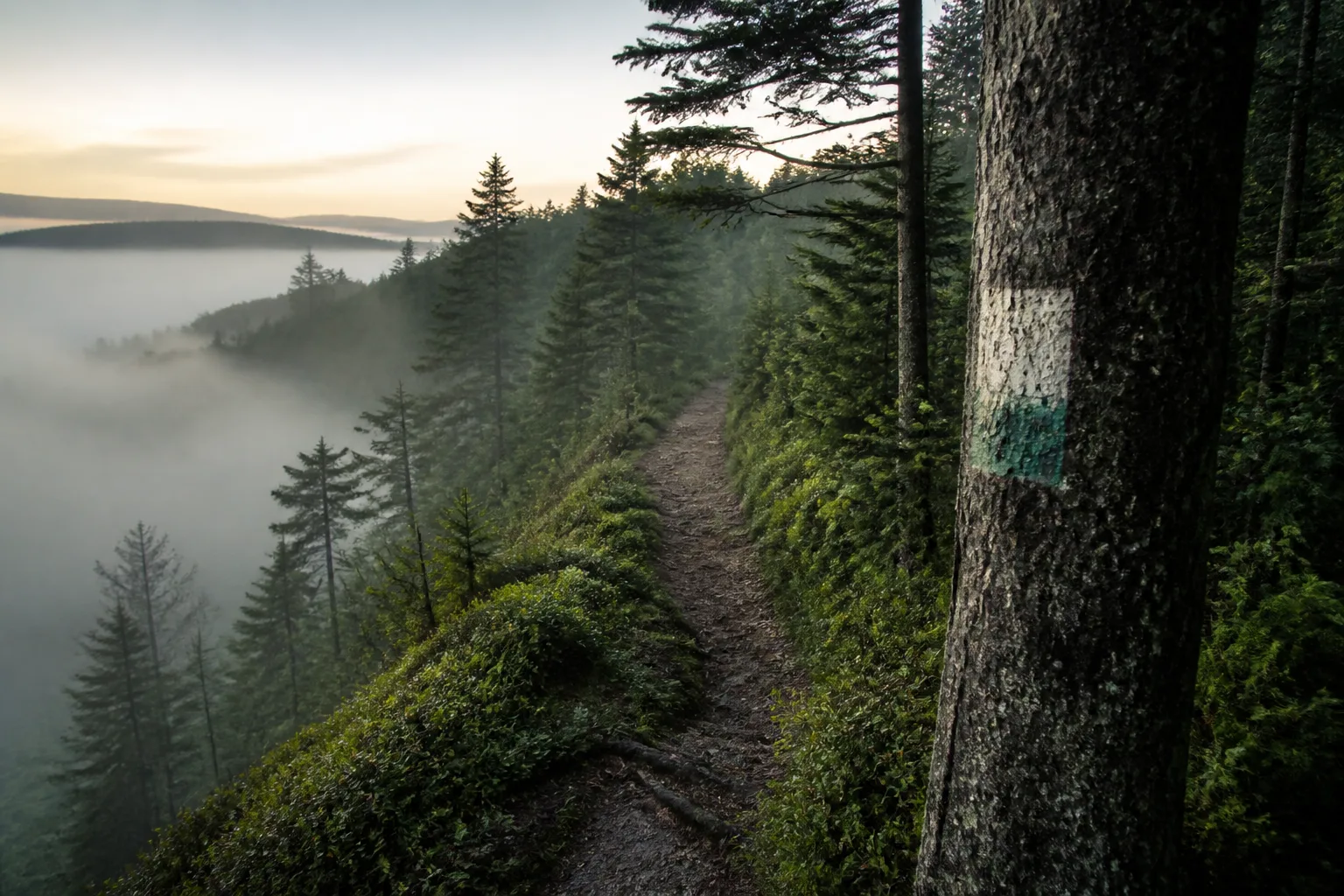
A day walk is its own part of a trip, not a gap between two pins on a map. The path shows a place the road and the overlook never reach.
The hard part for a first outing is rarely the distance. It is the order of work that regular walkers already hold in their heads and almost never say out loud. We write that order down: what to finish at home, how to read a mark, when to wait, and how to turn around while the light still holds.
A lookout gives you a view. A road gives you a corridor. A day path gives you the place as people on foot actually use it.
On a trail you see where locals cut across a square without a post, where a pair waits at a pinch point without being asked, and what a person actually carries when the day is long enough to matter. None of that appears on a scenic pull-off. We treat the walk as a working part of the trip because that is how it behaves: it has a start, a middle that changes with weather, and an end that has to arrive before the light goes.
New walkers often plan the miles and skip the sequence. Regulars reverse that. They settle the leaving hour, the turnaround cue, and the pack on the kitchen table. The trailhead is for starting, not for inventing a plan. dacitepeak exists to make that quiet order visible, then to sit with you over the day-walk portion of a trip you are already building.
We do not dress the path up. Marks end without a warning. A post can point the wrong way. Mud is worse than the photograph. The climb runs hot, the descent gets slick, midday traffic bunches, and water runs out sooner than it looked on the map. Getting back before dark is not a mood. It is a leaving time you already chose.
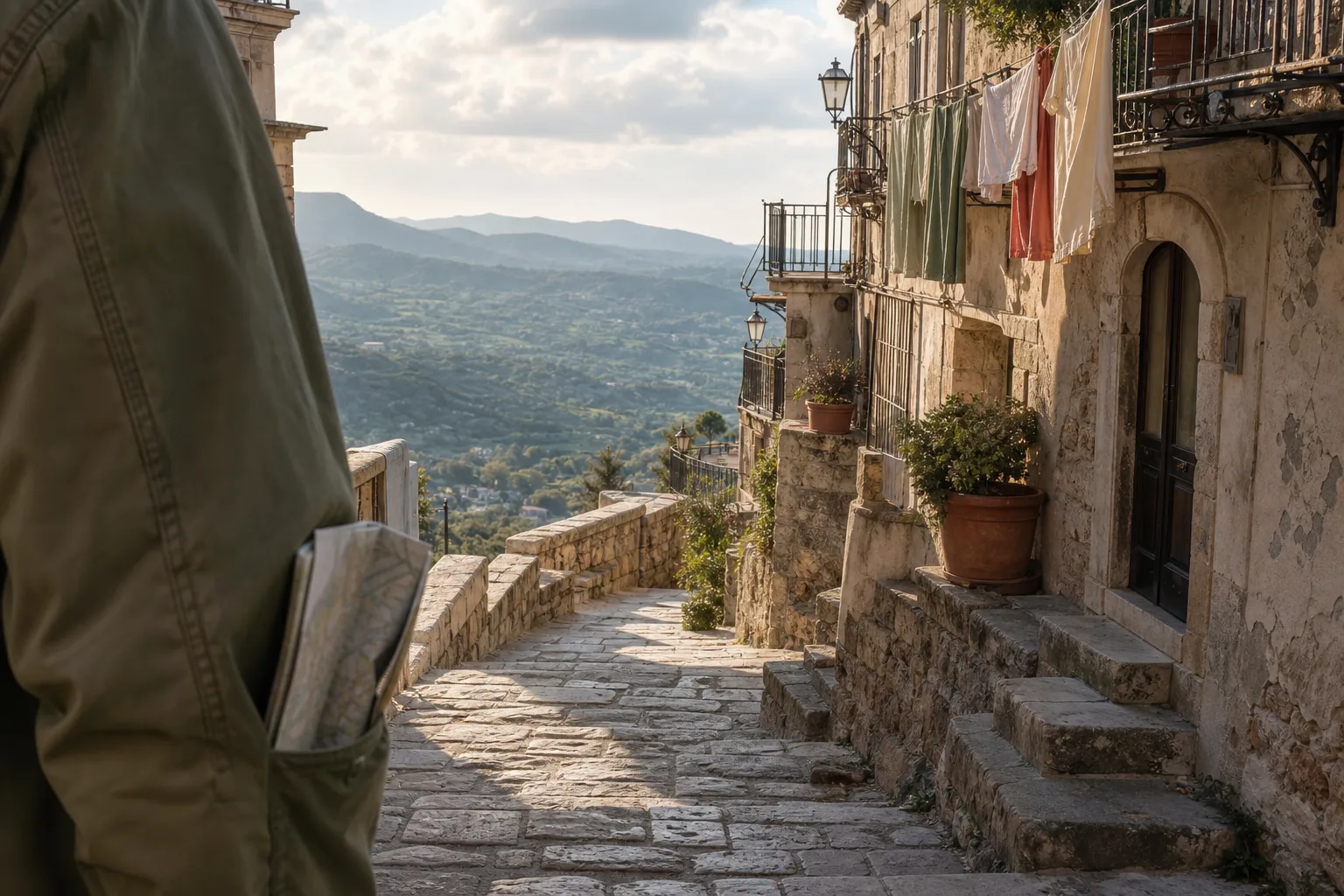
Town loops, wooded spurs, shore walks, and high ground do not feel the same underfoot. The sequence that keeps a day honest is surprisingly stable across all four.
Short, marked, and crowded at mid-morning. The risk is not getting lost so much as leaving late because the walk looked small on the map. Regulars still pack water and still name a turnaround, even when the last house is always in sight.
Shade helps, but marks hide in bark and leaf litter. A fork without a post is common. This is where people start trusting a phone drawing over the ground in front of them. We teach the opposite: stop, compare, and only then choose.
Wind, glare, and a surface that changes after a night of weather. The line you saw from the road may be under water or piled with weed. Regulars check the tide of conditions, not a postcard, and they keep the pack light enough to reverse without a debate.
Time expands on the climb and contracts on the way down. Heat sits on the open pitch. The shared rule still holds: leave with a clock, walk a pace you can keep after the first hour, and treat remaining light as a fact, not a hope.
These figures come from the walks the desk actually takes and from the checklists we use in consultations. They are working counts, not trophies.
Town, woods, shore, high ground, mixed edge paths, and waymarked farm tracks. Enough variety to test a sequence without pretending every walk is unique.
Leaving hour, weather window, water, lighting, map, marks, shoes, food, a turnaround cue, a backup short loop, and who needs the plan in writing.
Start slower than pride suggests, pause on the hour rather than when tiredness arrives, and keep enough in reserve for the last unmarked stretch.
The team has walked day paths as a working part of reporting trips across nine seasons, then turned those notes into consultations rather than a highlight reel.
Regular walkers share a sequence they treat as obvious. It is not obvious on a first outing. This is the spine of our notes and of the consultations we run.
Weather, leaving hour, and turnaround belong on the table, not at the kiosk. Once you are at the start, you are already late for those decisions.
Water, a layer, a small light, and the map you will actually unfold. Extra souvenirs in the bag are weight you will feel on the return, when the path is less charming.
Read the post, then read the ground. If the two disagree, stop. Maps drift. Paint fades. A wrong turn is cheaper than a confident one taken too fast.
First-timers hurry to “get it done.” Regulars do the opposite. Pauses are planned, not accidental, and they happen before the group gets sharp with each other.
Rain, wind, and heat rewrite a path without updating the leaflet. If the surface or the sky turns, shortening the walk is a decision, not a failure.
On a pinch, the uphill walker, the slower pair, and anyone with a dog or a child get the space. Standing in the middle of a mark to take a photograph is the local definition of rudeness.
Begin with a loop you can reverse without inventing a shortcut. Unmarked cuts save minutes and spend hours. Daylight is the only turnaround that does not argue back.
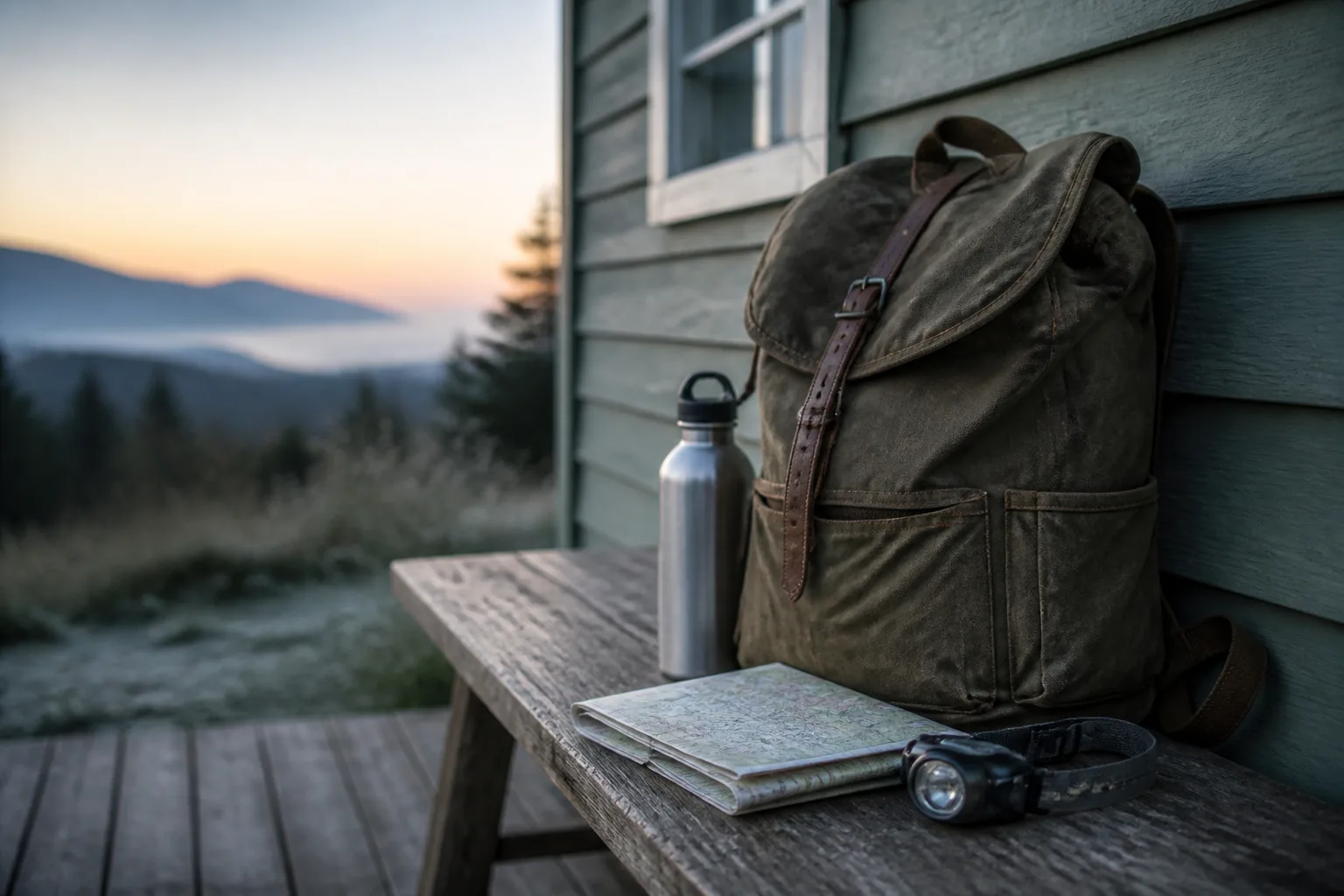
Three people take the day-walk portion of each reporting trip, then turn what they saw into consultations. The credentials below are field qualifications, not a promise of an easy path.
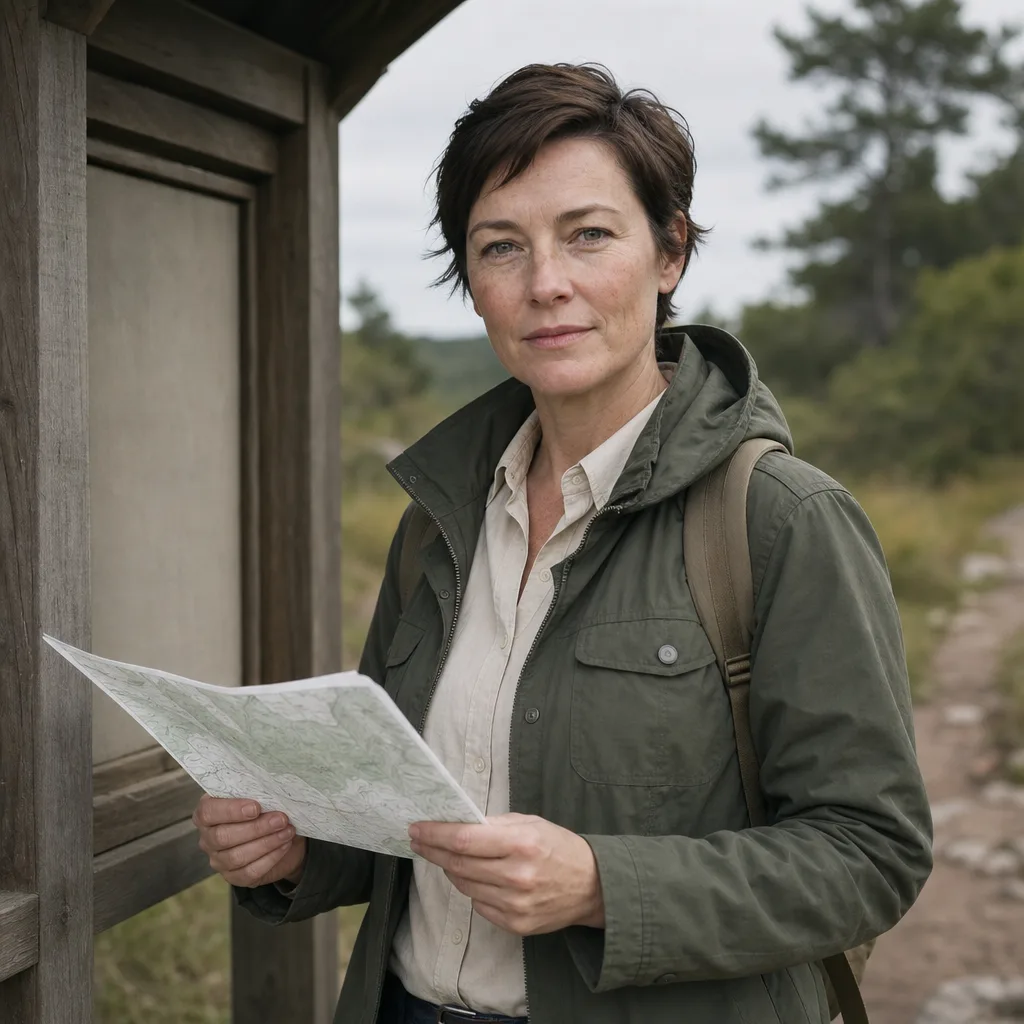
Field Route Editor
Certificate in Outdoor Wayfinding Practice, North Ridge Field School
Mara walks a route twice before she will write about it: once to see the marks, once to see where the marks fail. She edits our notes so a first-time walker can follow the sequence without guessing which advice was meant as poetry.

Departure Sequence Advisor
Visitor Information Design Credential, Harbor Map Desk
Julian builds the home checklist: leaving hour, weather window, and the turnaround cue written in language a tired person can still use. He used to write visitor leaflets, which taught him how much people skip when a board is overcrowded.
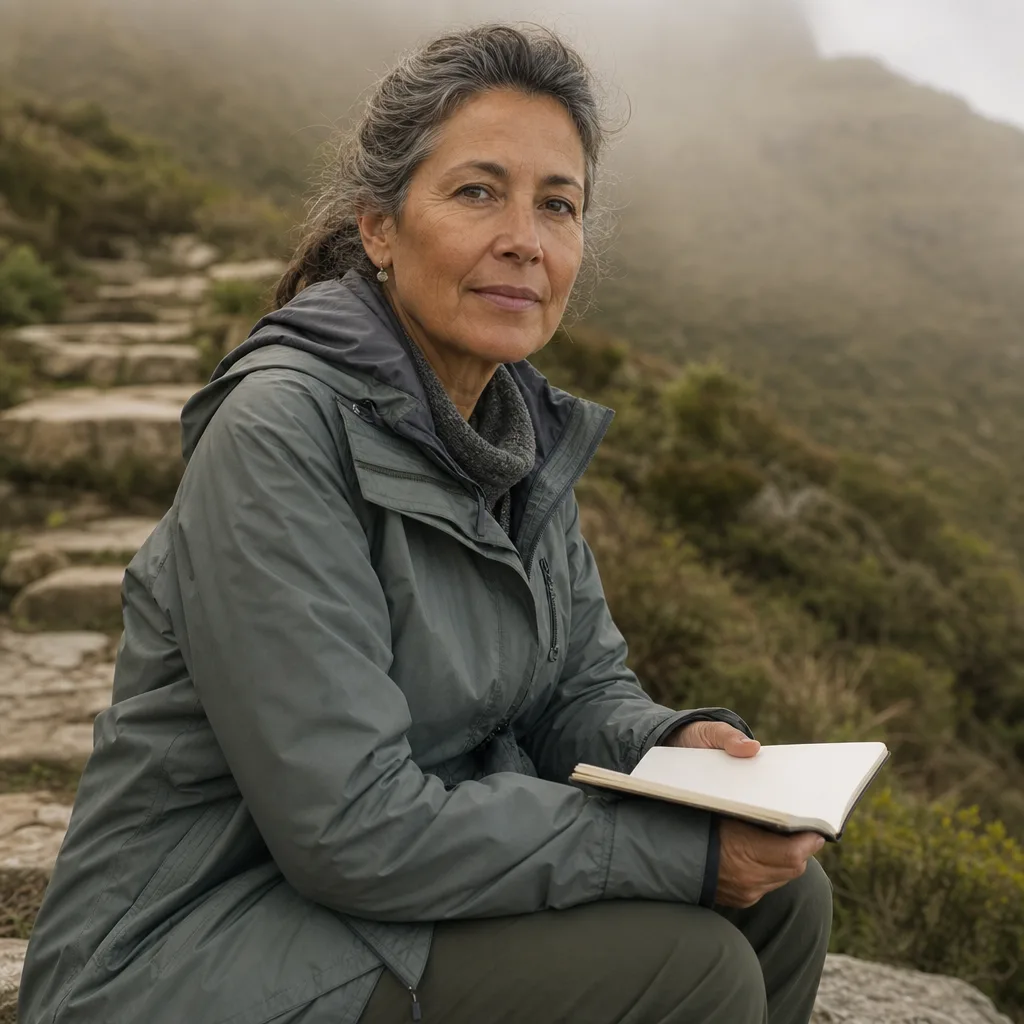
Daylight and Pace Planner
Field Logistics for Walking Groups, Open Path Institute
Nora watches the clock the group does not want to watch. She maps pauses, remaining light, and the moment a walk should shorten. Her notes are blunt on purpose: pride is a poor substitute for a visible sunset line.
These are not victory speeches. They are accounts of a first or second day walk that went better once the sequence was named in advance.
If you already have dates in mind and a path that looks simple on a screen, we can walk through the sequence with you: leaving hour, pack, marks, pace, and the turnaround that still leaves light on the return. This is consultation work, not a booking desk and not a trail you operate from this site.
Request a Consultationdacitepeak provides knowledge about day walking as a distinct piece of travel, and we offer consultations on that piece. We do not promise an easy path, and we do not speak for your fitness or your load. Those questions belong with specialists who know your situation. Our job is the order of the walk.
dacitepeak publishes materials so you can learn how a day walk sits inside a trip, and so you can understand the consultation work we offer. The writing is educational and practical. It is not a substitute for advice from qualified specialists. Questions of fitness, load, and physical preparation belong with those professionals, not with a travel desk.
Conditions change between visits. Opening hours, local rules, and what is asked of walkers on the ground can shift without updating a page you read at home. Confirm those details again, directly, before you go. Decisions about a walk, a schedule, or a turning point are yours. dacitepeak is not responsible for choices made from this information.
We work with visitor desks and walking groups in the field, including the Harbor Map Desk and the Open Path Institute, when their notes help us check a sequence. Those relationships do not transfer their duties onto this site, and they do not turn our pages into a permit, a booking, or a guarantee that a path will look the way it did on the last visit.