
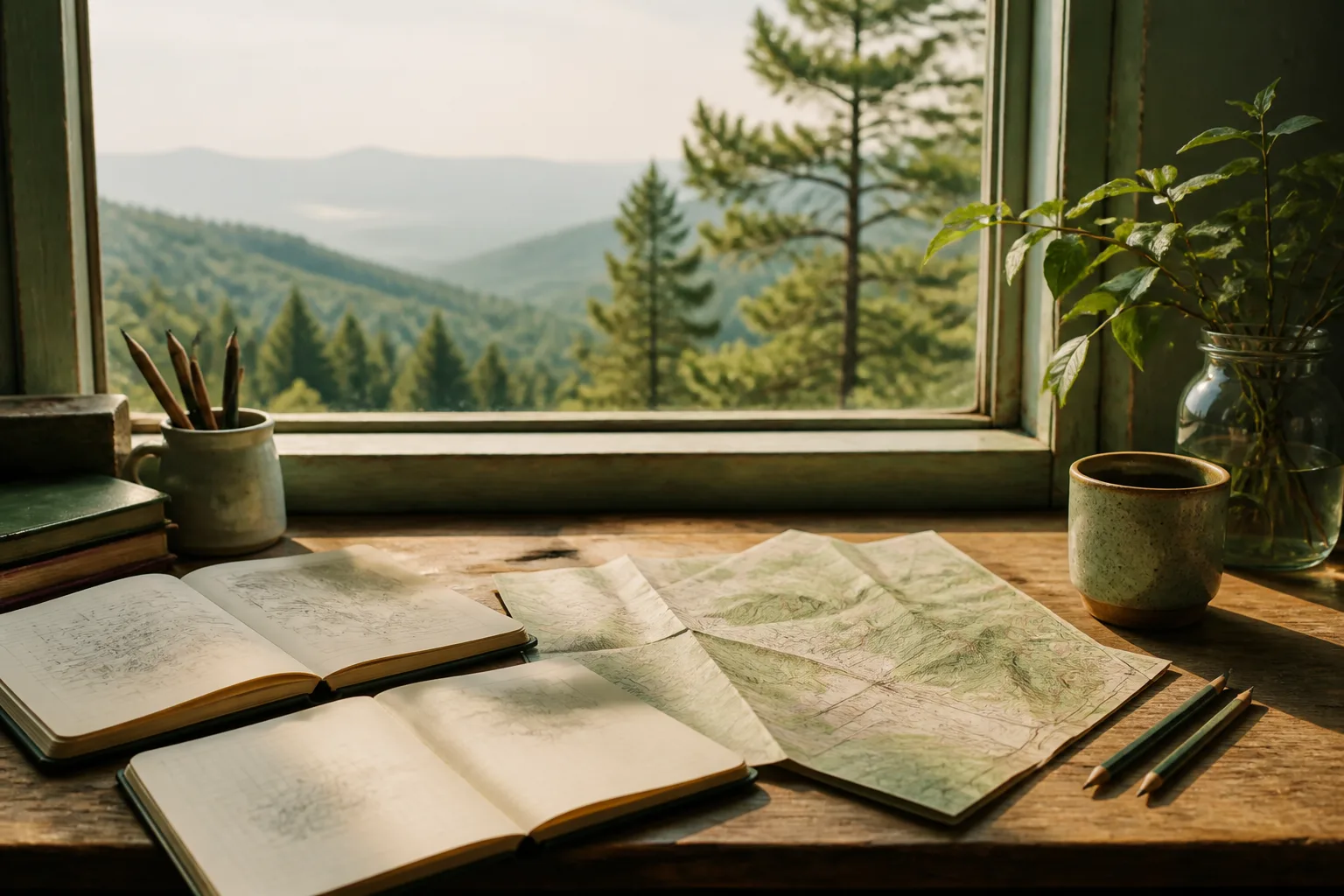
About the desk
We write the day-walk sequence that regulars already keep in their heads
dacitepeak started because trip plans often named a scenic stop and left the walking hours to chance. We treat those hours as work worth documenting.
This page explains how the project formed, how we check what we publish, how a consultation is prepared, how we expect walkers to treat a place, and which partners we lean on when a mark or a rule needs a second reading.
How the project started
The desk did not begin as a media brand. It began as a habit of writing down what happened between the trailhead and the porch light.
On reporting trips, the day walk was the part that kept going wrong for people who were otherwise careful planners. They knew where they would sleep and which meal they wanted, yet they left the leaving hour until they reached the kiosk. Marks looked clear in the leaflet and faded on the bark. A short spur turned into a scramble because nobody had named a turnaround while there was still time to reverse.
Mara Ellison began keeping a second notebook just for that stretch of the day. Julian Park joined to strip visitor-board language down into a home checklist that a tired person could still follow. Nora Whitfield added the daylight rule that refuses to argue with pride. Together they treated the walk as a piece of travel with its own order, not as exercise advice and not as a scenic filler between meals.
We chose this theme because the advice people needed was already common among regular walkers and almost never written for a first outing. The sequence felt “obvious” only to people who had already walked it dozens of times. dacitepeak exists to make that sequence visible, then to sit with you when the day-walk portion of a trip needs a second pair of eyes.
We do not operate trails, sell bookings, or claim that a path will look the way it did on our last visit. We publish notes, compare formats of path, and offer consultations on leaving hour, pack, marks, pace, and return before dark. Fitness and load still belong with specialists who know your situation. Our work stops at the order of the walk.
The site stays small on purpose. Every published note has to survive a second walk, a disagreement between map and mark, or a weather shift that rewrites the middle of the day. If a detail cannot be checked, it does not become a heading.
How we gather and check what we publish
A note reaches the site only after it has been walked, compared, and read by someone who was not on the first outing.
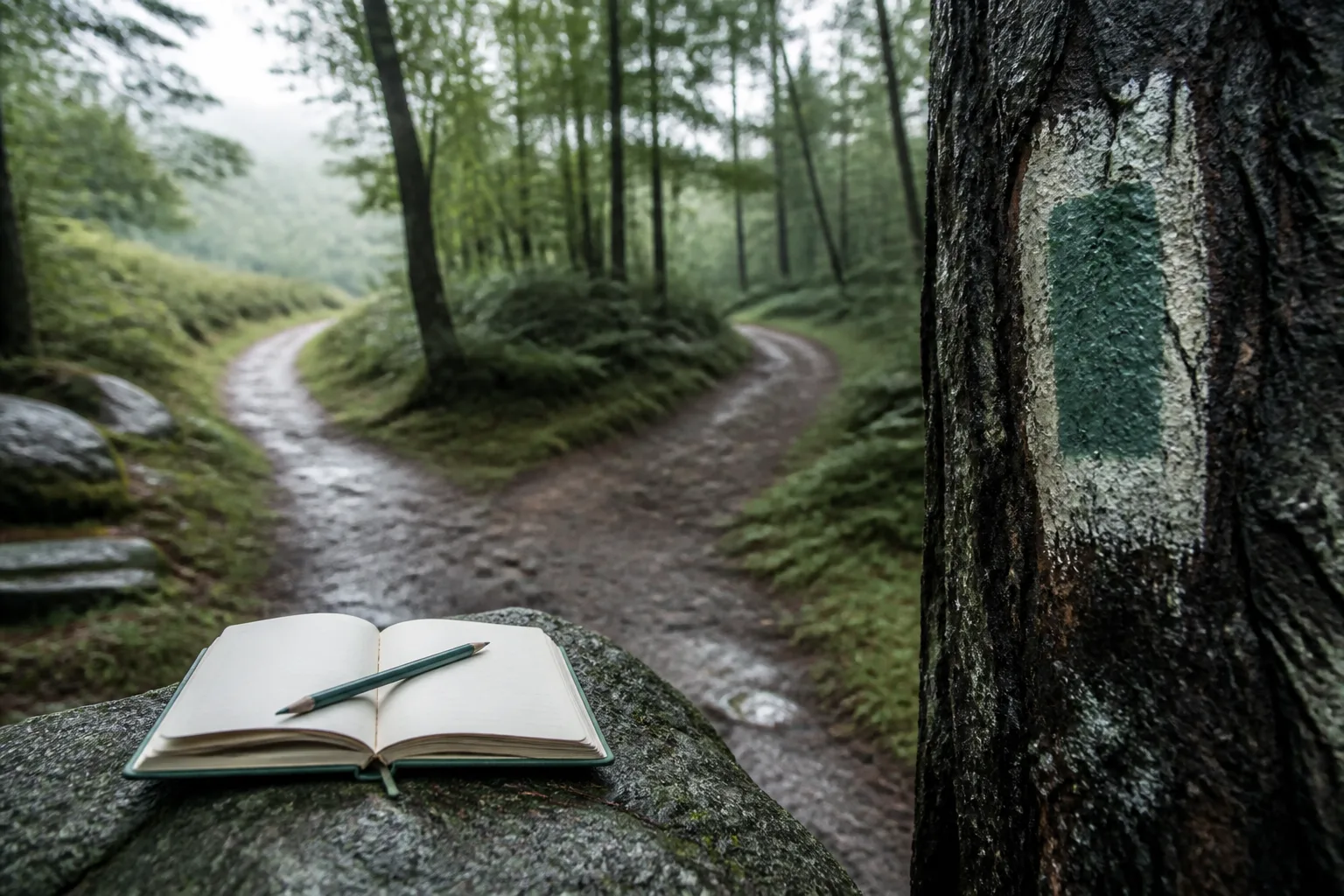
Field notes start with the ground, not with a photograph. The editor walks the path once to learn the marks and once to see where the marks fail. Forks without posts, places where paint has worn off, and stretches where the leaflet and the terrain disagree are written as facts, not as color. If a claim cannot be pointed to on the route, it does not stay in the draft.
Home checks are tested the same way. Julian drafts the leaving-hour and turnaround language, then asks someone outside the trip to run the list at a kitchen table without coaching. Phrases that only make sense to the person who wrote them are cut. The goal is a sequence a first-time walker can follow without guessing which line was meant as poetry.
Before publication, Nora reads the draft for daylight honesty: does the piece still work if the walk shortens, if the weather turns, and if the group has to reverse on the same ground? We also ask whether the note accidentally promises an easy path or speaks for fitness. Those lines are removed. What remains is practical writing about order, not a brochure for a place we do not run.
Corrections are welcome when a mark changes or a local rule shifts. We update the page and note that conditions move between visits. Readers are still told to confirm details directly before they leave, because a website is not a live board at the trailhead.
From first message to a written day-walk plan
A consultation is a working session on the walking hours of your trip. It is not a booking desk and not a platform you operate from this site.
-
You send the outline
Tell us what you already know: the kind of path you are considering, how much daylight you expect to have, who is walking, and what already feels unclear. Vague praise for a photograph is less useful than a short note about timing and uncertainty.
-
We sort format and risk
We place the walk in a format we know—town loop, wooded spur, shore line, high stretch, or mixed edge—and name the usual failure points: late leaving, mark disagreement, midday crowding, and weather that rewrites the middle of the day.
-
We draft the home sequence
Leaving hour, weather window, pack, turnaround cue, and a backup shorter loop are written in language you can still use when you are tired. The trailhead is for starting, not for inventing the plan.
-
You leave with a paper you can reverse
The deliverable is a sequence you can read aloud, not a promise that the ground will match last season. If marks and map disagree, the written rule is to stop and reverse on the same ground rather than invent a shortcut.
How we ask walkers to treat a place
A day path is shared ground. The sequence that keeps a walk honest also keeps it from becoming a nuisance to people who live and walk there every day.
We write about yielding as a habit, not as a slogan. On a pinch, the uphill walker, the slower pair, and anyone with a child or a dog get the space. Standing in the middle of a mark to take a photograph is the local definition of rudeness, and we say so without softening it into lifestyle language.
Shortcuts through unmarked grass save minutes and spend hours for the people who maintain the line. We tell first-time walkers to reverse on the same ground when the map and the post disagree. Pride is a poor reason to invent a cut that erodes a bank or drops you into private land you cannot see from the leaflet.
Noise, litter, and treating residents as scenery all break the same rule: the walk is part of a place that continues after you leave. Our notes are written to help you finish in daylight without making the next walker pay for your impatience. If a consultation would require ignoring a local rule to “make the day work,” we refuse that framing and shorten the walk instead.
We also refuse medical or fitness claims. Questions of load, preparation, and how your body handles a climb belong with specialists who know you. dacitepeak speaks only to the order of the day walk inside a trip.
Partners we check against, and how we choose them
We work with visitor desks and walking groups when their notes help us test a sequence. The names below are field relationships, not an endorsement marketplace.
- Harbor Map Desk
- A visitor information workshop that trains writers to keep boards readable. We use their credential line for Julian’s checklist work and compare our home language against their standard for overcrowded leaflets. They do not run this site, and we do not sell their services.
- Open Path Institute
- A field logistics group for walking parties. Nora’s daylight planning draws on their habit of writing turnaround cues that survive fatigue. When we cite them, we are citing a method, not transferring their duty onto a web page.
- North Ridge Field School
- A wayfinding practice program Mara completed for mark reading and fork discipline. Their drills shape how we treat a post as a claim that must be checked against the ground before anyone keeps walking.
- How we select
- A partner has to publish or teach a sequence we can walk, not a slogan. We look for written methods, willingness to admit when marks fail, and no pressure to promise an easy path. If a relationship would require us to hide uncertainty, we end it.
Sit with the walking hours of your trip
If you already have dates in mind and a path that looks simple on a screen, send the outline. We will tell you whether a consultation is the right next step, or whether a published note already covers the sequence you need.
Read the field notes
Our articles unpack one piece of the day-walk order at a time: home checks, mark disagreement, daylight turnaround, and packing for a midday return. Start there if you want the method before a conversation.
Read this before you treat a note as a plan
dacitepeak publishes materials so you can learn how a day walk sits inside a trip, and so you can understand the consultation work we offer. The writing is educational and practical. It is not a substitute for advice from qualified specialists. Questions of fitness, load, and physical preparation belong with those professionals, not with a travel desk.
Conditions change between visits. Opening hours, local rules, and what is asked of walkers on the ground can shift without updating a page you read at home. Confirm those details again, directly, before you go. Decisions about a walk, a schedule, or a turning point are yours. dacitepeak is not responsible for choices made from this information.
We work with visitor desks and walking groups in the field, including the Harbor Map Desk and the Open Path Institute, when their notes help us check a sequence. Those relationships do not transfer their duties onto this site, and they do not turn our pages into a permit, a booking, or a guarantee that a path will look the way it did on the last visit.