How to Set a Daylight Turnaround You Will Keep
Pride wants one more rise. Daylight does not negotiate. A turnaround you can keep is written before you leave home, said out loud at the start, and obeyed when the viewpoint is still ahead.
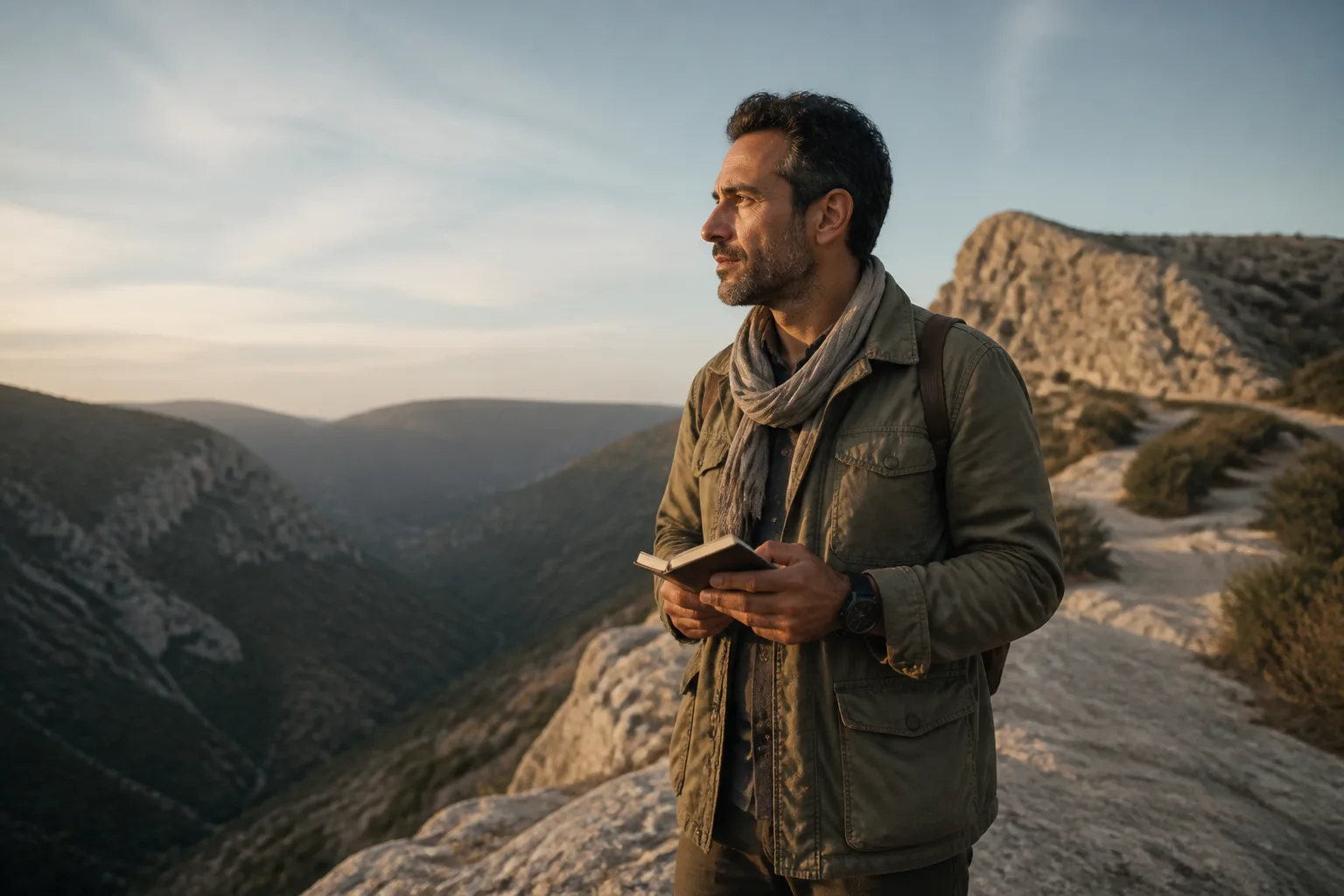
I watch the clock the group does not want to watch. On a high stretch, time expands on the climb and contracts on the way down. People feel close to the photograph they came for and treat remaining light as a mood. It is not a mood. It is a fact that decides whether you return on the same ground or invent a scramble after the marks become harder to see.
This note is about writing a turnaround that survives pride. It is not a fitness lecture. If you need advice about load or how your body handles a climb, ask a specialist who knows you. My job is the daylight rule inside the walking hours of a trip.
Write the cue before the walk argues back
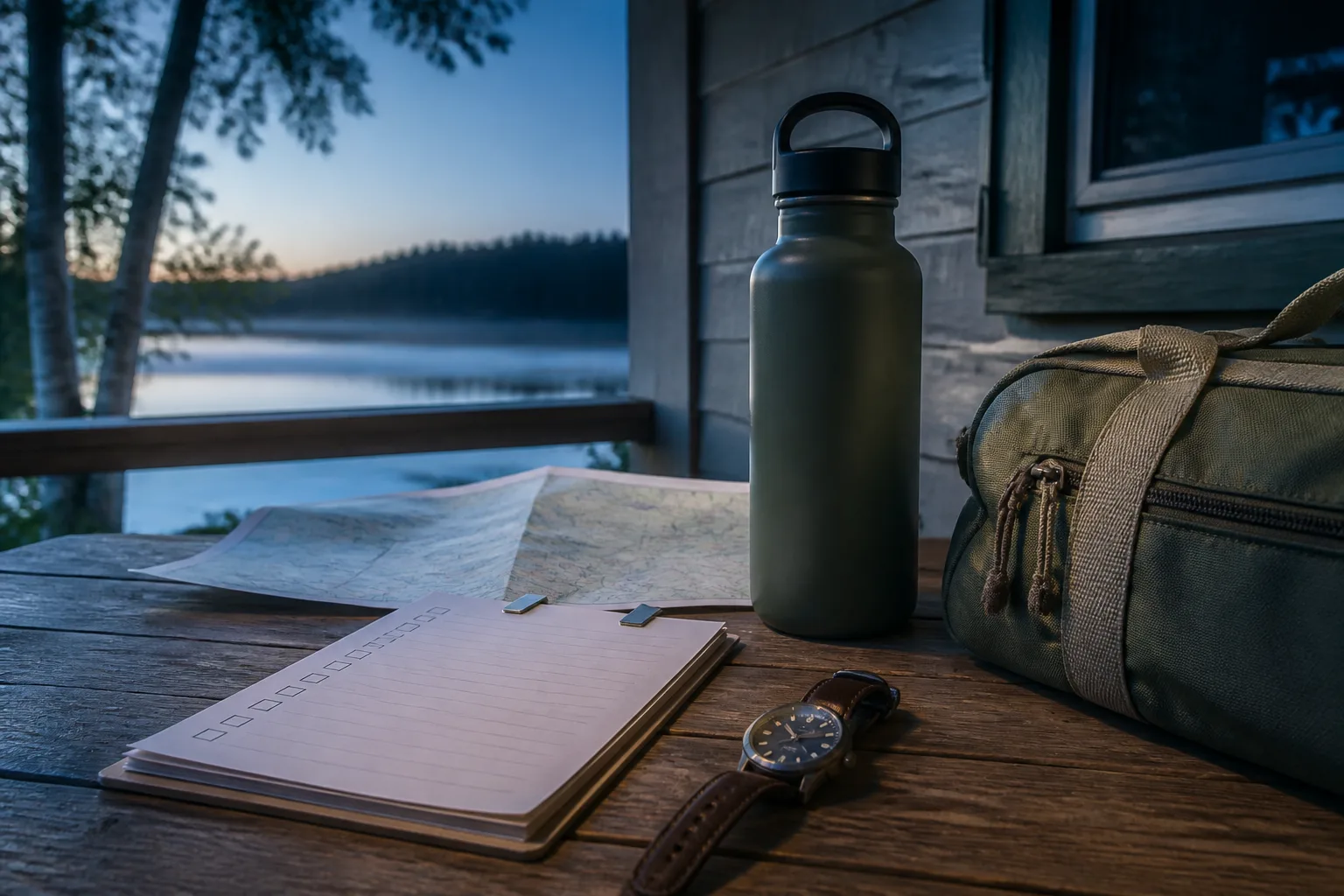
A usable turnaround is a sentence, not a hope. Examples that work: reverse at a named fork even if the ridge is close; reverse when the watch hits a set hour; reverse when the valley below has already lost direct light. Pick one primary cue and one backup. Put both on the same home checklist as the leaving hour.
Everyone walking should be able to say the sentence before you leave the trailhead. If only one person holds it, the group will renegotiate at the worst moment.
Build the day backward from light
- Estimate the light you want still on the return, not the light at the high point.
- Add time for planned pauses, not only for moving feet.
- Set the leaving hour from that total, at home.
- Name the turnaround cue in one plain sentence.
- Write a shorter backup loop that reverses on marked ground.
Shortening the walk is a decision. Arriving after dark because nobody wanted to turn around is a failure of planning, not of courage.
Pauses belong on the clock
First-time groups often hurry early and stop only when someone is already sharp. Regulars do the opposite. They pause on the hour, drink, check the map, and keep enough reserve for the last unmarked stretch. Those pauses are part of the daylight math. If you ignore them on paper, the turnaround arrives sooner than your pride expects.
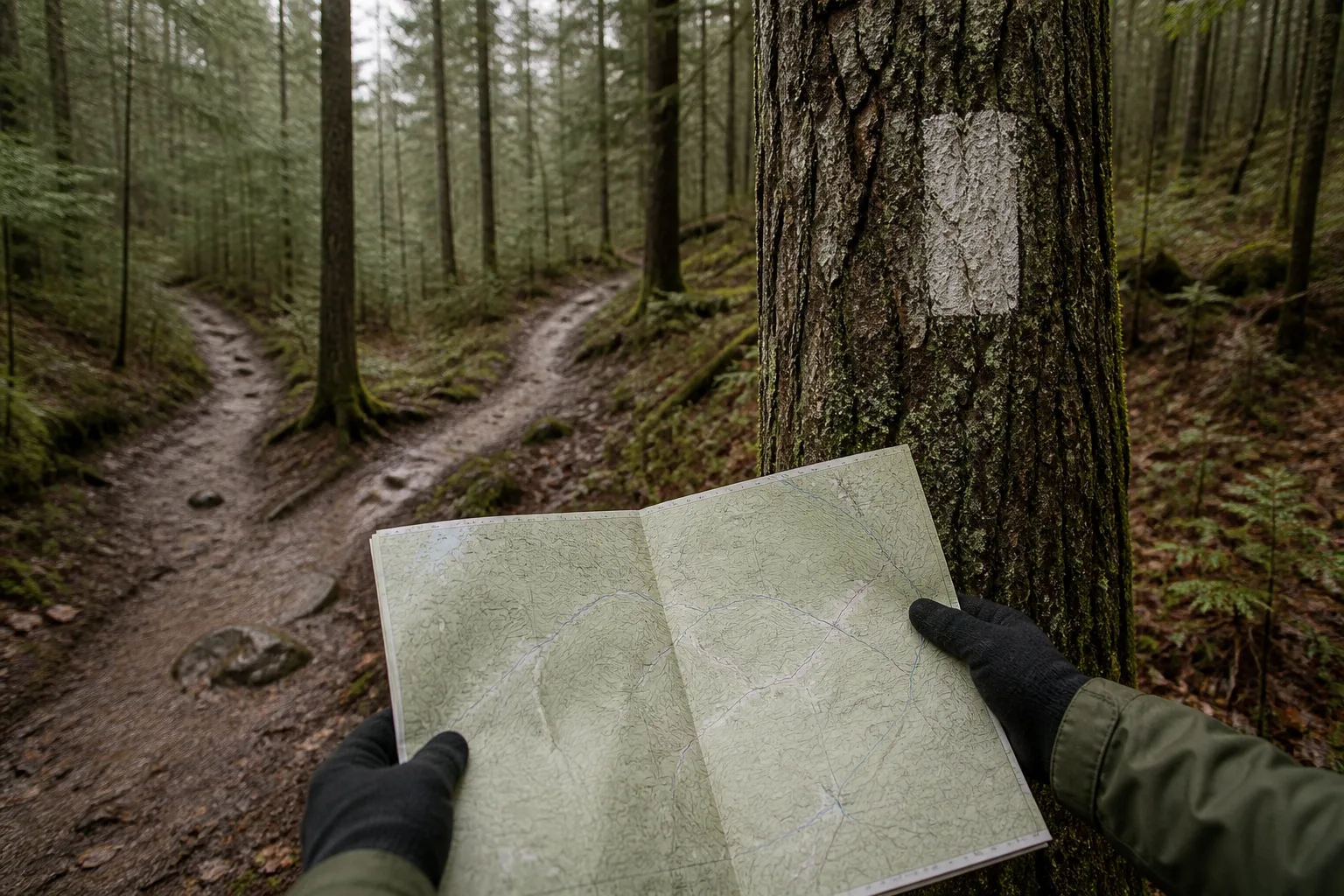
Build pauses into the outward leg on purpose. A short stop to compare mark and map is cheaper than a long stop after a wrong arm of a fork. A water break before the climb steepens is cheaper than arguing about pace when everyone is already hot. Write those stops beside the turnaround cue so they are not treated as optional luxuries.
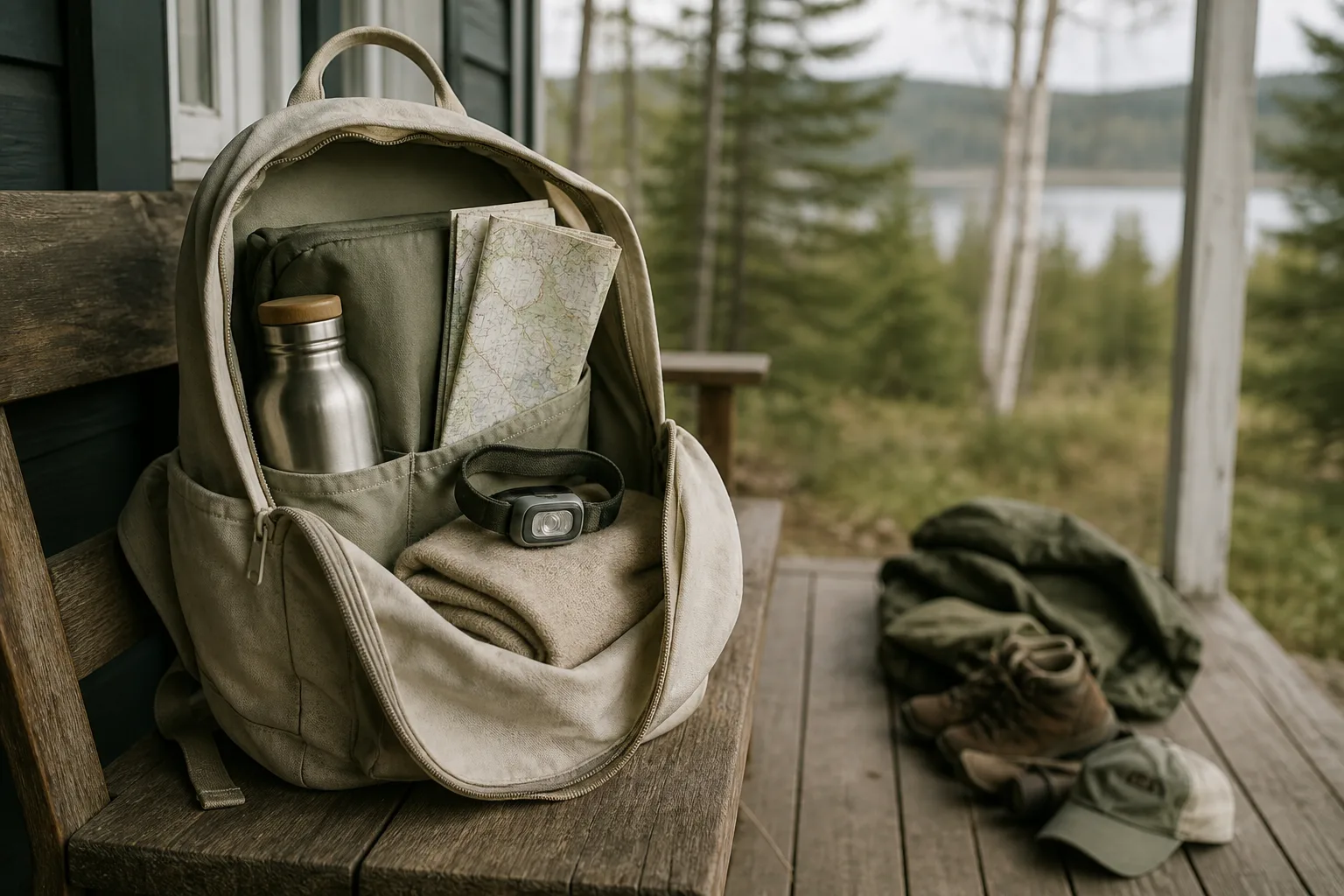
- Plan water and layer checks before fatigue forces them.
- Keep debates off the middle of a narrow mark.
- Treat heat, mud, and crowding as reasons to use the backup loop.
- Do not move the turnaround because “we are almost there.”
When shortening is the correct call
Weather rewrites a path without updating the leaflet. Marks and maps disagree. The group is slower than the morning estimate. In each case, the daylight rule stays the same: reverse while the return is still honest. At dacitepeak we treat that choice as part of the consultation sequence, not as a lesser version of the day. A finished shorter loop in light beats an unfinished long one in the dark.
The hard part is not writing the cue. The hard part is keeping it when the ridge looks close and someone says the light will hold. That is why the cue must be public and dull. Dull sentences survive excitement. If your group only agrees to “see how we feel later,” you do not have a turnaround. You have a debate scheduled for the worst hour of the walk.
Practice the rule on a short town loop before you take it onto a longer spur. Leave with a written hour, reverse on that hour even if the walk still feels easy, and notice how much quieter the return becomes when nobody is bargaining with the sky. Then use the same sentence on the trip that matters.